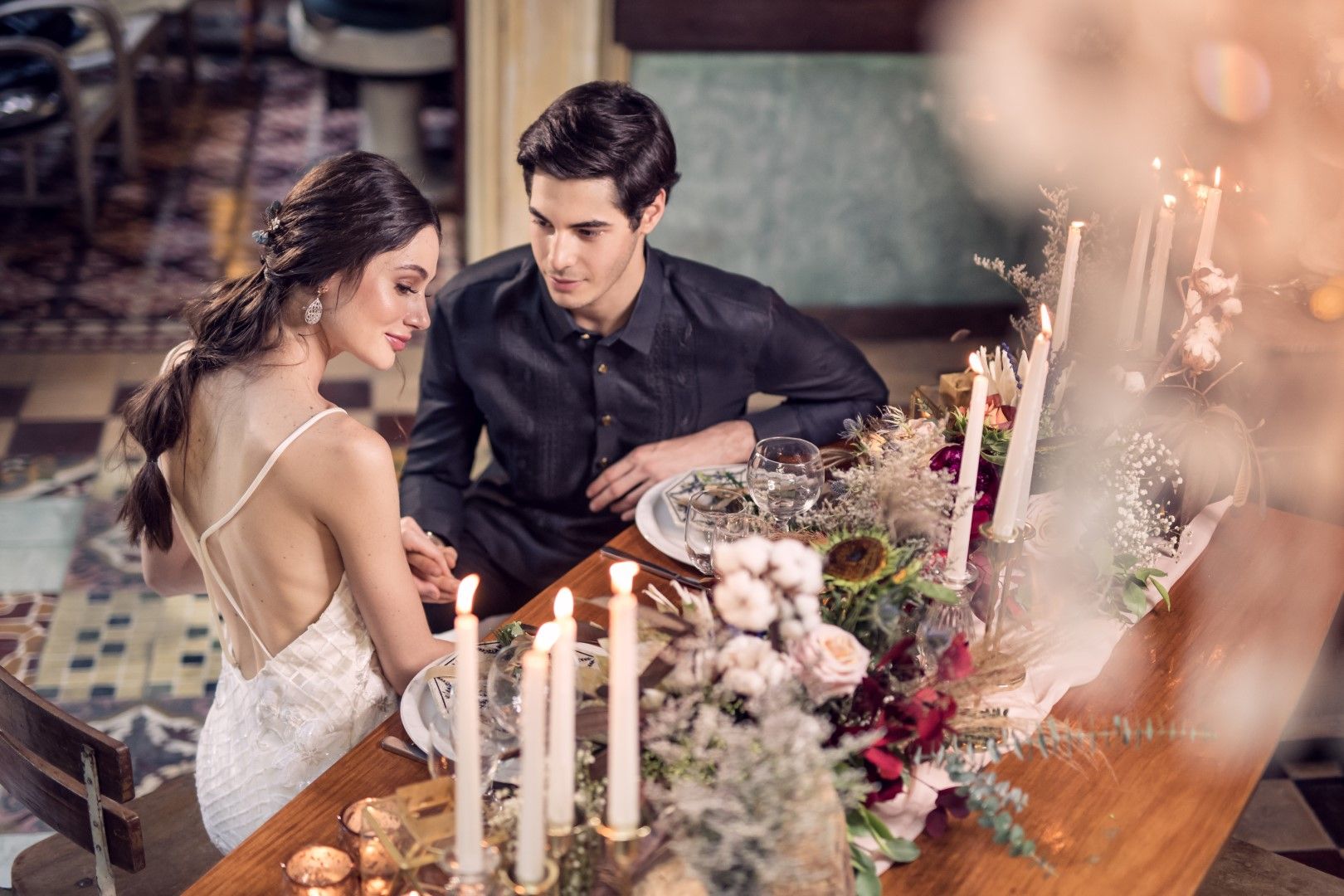
The Art of Bespoke Suit Construction: Filipino Craftsmanship in Every Stitch
Behind every ORIAS Bespoke suit lies a story of meticulous craftsmanship, where traditional tailoring techniques meet Filipino artistry. In a world increasingly dominated by mass production, the art of bespoke suit construction represents the pinnacle of sartorial excellence, combining time-honored methods with the skilled hands of Filipino craftsmen.
The Foundation: Canvas Construction and Structure
The heart of any exceptional bespoke suit lies in its construction, invisible to the casual observer but fundamental to its character. At ORIAS Bespoke, we employ full canvas construction, a technique that has remained virtually unchanged for centuries.
The canvas itself is a sturdy yet pliable material, typically made from horsehair, goat hair, or a blend of natural fibers. This canvas is carefully shaped and padded to create the suit's silhouette, providing structure while maintaining flexibility. Unlike fused construction found in mass-produced suits, our canvas is attached through hundreds of individual hand stitches, allowing the garment to move naturally with the wearer's body.
The Role of the Floating Chest Piece
One hallmark of superior construction is the floating chest piece, a technique where the canvas is sewn only at the edges, allowing it to "float" across the chest area. This creates a natural drape that conforms to the wearer's posture and breathing, developing a unique character over time. Our Filipino tailors have mastered this technique, understanding how the tropical climate and active lifestyle of our clients require garments that move and breathe.
Hand-Sewn Excellence: The Details That Define Quality
Buttonholes: A Tailor's Signature
Perhaps no element reveals a tailor's skill more than hand-sewn buttonholes. At ORIAS Bespoke, each buttonhole is crafted individually, with stitches that are deliberately uneven to create a subtle texture that catches light beautifully. This technique, passed down through generations of Filipino craftsmen, takes approximately 45 minutes per buttonhole to complete.
The process begins with a careful cutting of the fabric, followed by hundreds of minute stitches that reinforce the opening while creating the distinctive raised edge. The density and angle of these stitches require years to master, and our tailors take immense pride in their buttonhole signature – each slightly different, each perfectly executed.
Pick Stitching: Invisible Artistry
Along the lapels and edges of our bespoke suits, you'll find pick stitching – tiny, almost invisible stitches that serve both functional and aesthetic purposes. This hand-stitched detail helps maintain the garment's shape while adding a subtle texture that distinguishes handmade from machine-made construction.
Filipino Tailoring Heritage: Precision Meets Passion
The Philippines has a rich tradition of craftsmanship that extends far beyond tailoring. Our artisans bring this cultural appreciation for detail and beauty to every garment, combining technical precision with an innate understanding of elegance.
Climate-Conscious Construction
Filipino tailors have developed unique approaches to suit construction that account for our tropical environment. This includes careful selection of canvases that provide structure without adding excessive weight, strategic placement of ventilation through the lining, and construction techniques that allow for greater air circulation while maintaining the suit's formal appearance.
The Master Tailor Tradition
In our atelier, the role of the master tailor extends beyond mere construction. These craftsmen are artists who understand the relationship between fabric, form, and function. They can read a client's posture, understand their lifestyle, and translate these observations into construction decisions that enhance comfort and appearance.
The Pattern Making Process: Architecture in Fabric
Before a single stitch is made, the pattern must be perfect. Our pattern makers create individual templates for each client, taking into account not just measurements but also posture, preferred fit, and intended use of the garment.
The Rock of Eye
One of the most challenging aspects of bespoke construction is achieving the "rock of eye" – the visual balance that makes a suit appear perfectly proportioned even when the wearer's body is not symmetrical. This requires adjustments to the pattern that compensate for natural asymmetries, creating visual harmony through carefully calculated adjustments.
Pressing and Shaping: The Silent Art
Throughout construction, the suit undergoes numerous pressing and shaping operations. Our tailors use specialized equipment and techniques to create the three-dimensional shape that distinguishes a bespoke suit. This includes carefully controlled steam and pressure to shape lapels, create trouser creases, and establish the jacket's silhouette.
The Importance of Hand Pressing
While machines can apply consistent pressure, the human touch understands how different fabrics respond to heat and moisture. Our Filipino craftsmen have developed an intuitive understanding of how various textiles behave, adjusting their technique accordingly to achieve the desired result without damaging delicate fibers.
Quality Control: The Critical Eye
Each ORIAS Bespoke suit undergoes multiple quality inspections throughout construction. From the initial canvas placement to the final pressing, our quality control process ensures that every element meets our exacting standards.
The Final Inspection
Before any suit leaves our atelier, it undergoes a comprehensive final inspection. This includes checking stitch consistency, buttonhole alignment, pressing quality, and overall appearance. Only when every detail meets our standards does the garment earn the ORIAS Bespoke label.
The Time Investment: Why Patience Creates Perfection
A genuine bespoke suit requires approximately 60-80 hours of skilled labor. This includes pattern making, cutting, multiple fittings, hand sewing, and finishing work. While modern technology could potentially reduce this time, we believe that certain aspects of quality cannot be rushed.
The Multiple Fitting Process
The construction of a bespoke suit involves several fittings, each serving a specific purpose. The first fitting establishes basic fit and proportion, subsequent fittings refine the details, and the final fitting ensures perfection before completion.
Sustainable Craftsmanship: Built to Last Generations
The intensive construction methods employed in bespoke tailoring create garments designed to last decades with proper care. This sustainability is inherent in the process – when something is built to last, it reduces the need for replacement and represents true environmental responsibility.
The Legacy of Filipino Tailoring Excellence
As we continue this tradition of exceptional craftsmanship, we're not just creating suits – we're preserving and evolving an art form. Each ORIAS Bespoke suit represents hundreds of years of tailoring knowledge, adapted and refined by Filipino artisans who understand that true luxury lies not in ostentatious display but in invisible perfection.
The next time you wear a bespoke suit, take a moment to appreciate the countless hours of skilled labor, the generations of knowledge, and the passion for perfection that went into its creation. In every stitch, you'll find the soul of Filipino craftsmanship.
Experience the art of bespoke construction at ORIAS Bespoke, where traditional Filipino craftsmanship creates suits worthy of your most important moments.
