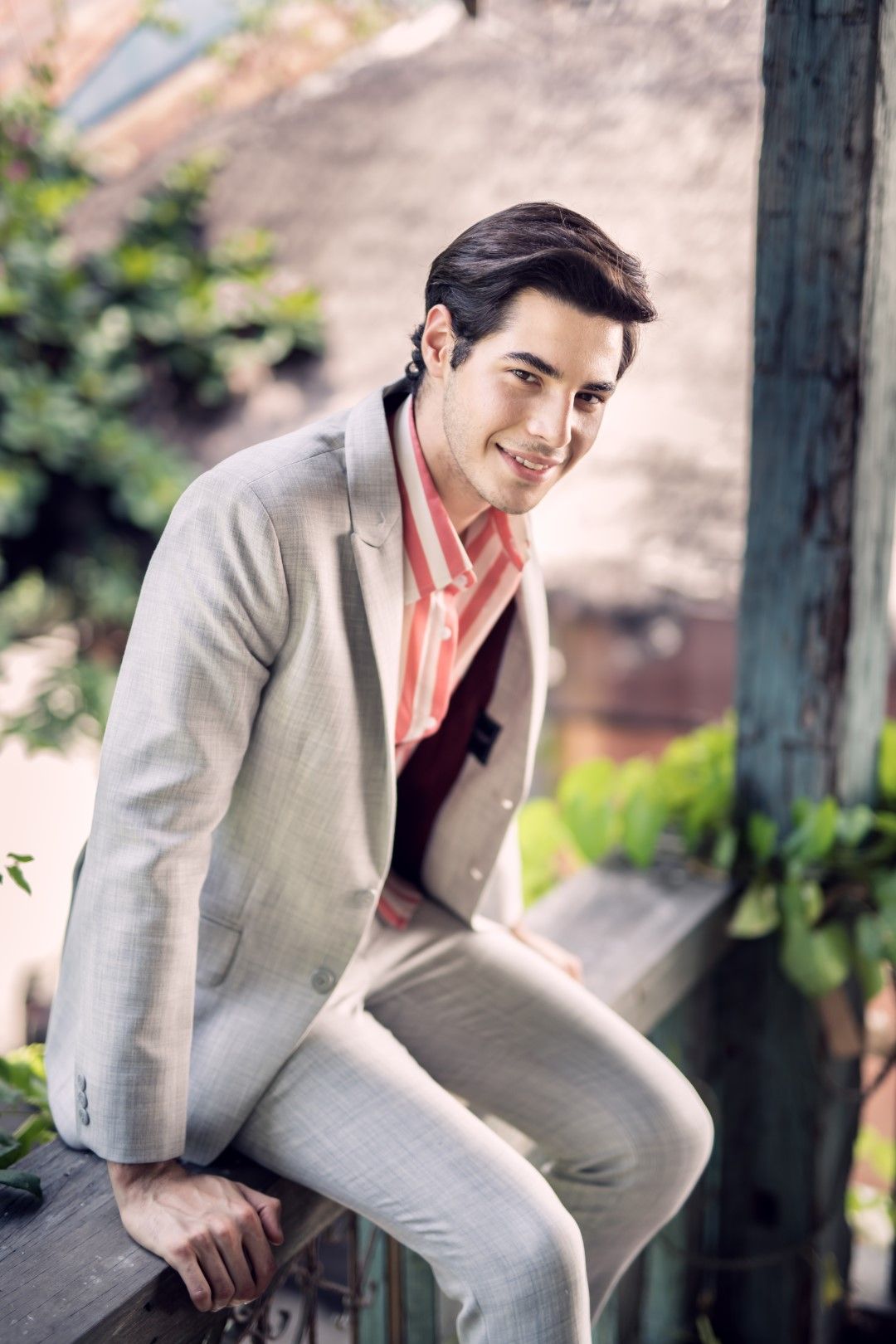
Filipino Groom Wedding Styling: Traditional Elegance Meets Modern Bespoke Tailoring
Your wedding day represents the perfect intersection of personal style, cultural heritage, and timeless elegance. For Filipino grooms, this means navigating between honoring rich cultural traditions and embracing contemporary fashion sensibilities. Whether you're planning a traditional Filipino ceremony, a modern celebration, or a fusion of both, your choice of formal wear can beautifully reflect your heritage while showcasing impeccable style.
Understanding Your Options: Traditional vs Contemporary
The Classic Barong Tagalog
The barong tagalog stands as the Philippines' national formal wear for men—a symbol of elegance, craftsmanship, and cultural pride. This traditional garment offers several advantages for the modern groom:
Traditional Piña Fabric: Made from pineapple leaf fibers, piña creates an ethereal, lightweight garment perfect for tropical climates. The natural translucency and delicate texture make it ideal for formal ceremonies, particularly church weddings where its understated elegance shines.
Jusi and Ramie Options: For grooms seeking more opacity while maintaining traditional aesthetics, jusi (a silk-abaca blend) and ramie provide excellent alternatives. These fabrics offer the formal appearance of a barong while providing more coverage and structure.
Modern Barong Interpretations: Contemporary designers have revolutionized the barong with innovative cuts, subtle modern details, and refined fits that appeal to style-conscious grooms while respecting traditional elements.
Bespoke Western Suits with Filipino Touches
Many Filipino grooms today choose bespoke suits that incorporate subtle nods to their heritage. This approach works exceptionally well for:
- International or destination weddings
- Evening receptions following traditional ceremonies
- Couples blending different cultural backgrounds
- Grooms preferring contemporary formal wear
Fabric Selection for Tropical Weddings
Climate Considerations
The Philippines' tropical climate demands specific fabric choices that balance formality with comfort:
Lightweight Wools: Super 150s merino wool offers breathability while maintaining the structure necessary for formal occasions. These fabrics drape beautifully and resist wrinkles—crucial for outdoor ceremonies.
Linen Blends: For beach or garden weddings, linen-silk blends provide casual elegance while offering natural cooling properties. Pure linen works well for intimate, daytime celebrations.
Tropical Worsteds: Specifically designed for warm climates, these fabrics offer the appearance of traditional suiting while providing superior comfort in humid conditions.
Color Psychology in Filipino Weddings
Color choice carries significant cultural meaning in Filipino weddings:
Traditional Neutrals: Cream, ivory, and soft champagne colors honor traditional aesthetics while photographing beautifully against tropical backdrops.
Navy and Deep Blues: These colors represent stability and trustworthiness—qualities highly valued in Filipino culture—while offering versatility for various ceremony types.
Earth Tones: Warm browns, deep greens, and rich burgundy connect with Filipino appreciation for nature while providing sophisticated alternatives to standard wedding colors.
Regional Wedding Traditions and Attire
Northern Philippines (Luzon)
In northern regions, particularly among Ilocano communities, grooms often incorporate traditional woven fabrics into their wedding attire. Abel fabric from Ilocos can be used for accessories like pocket squares or bow ties, adding meaningful cultural elements to modern suits.
Visayan Traditions
Central Philippine weddings often feature more elaborate barong designs with intricate embroidery. Grooms from these regions might choose barongs with detailed needlework that tells family stories or represents regional motifs.
Mindanao Influences
Southern Filipino weddings sometimes incorporate Maranao or T'boli design elements. Geometric patterns and metallic threads can be subtly integrated into bespoke suit linings or accessories.
Styling for Different Wedding Events
Traditional Church Ceremony
For Catholic wedding ceremonies—the most common religious service in the Philippines—formal traditions often dictate attire choices:
- Morning Weddings: Light-colored barongs or cream-colored suits work beautifully for morning ceremonies
- Afternoon Services: Slightly richer tones like champagne or light grey provide appropriate formality
- Evening Ceremonies: Darker suits or more elaborate barongs suit the formal atmosphere
Garden and Outdoor Venues
The Philippines offers stunning outdoor wedding venues, from beach resorts to mountain retreats. These settings allow for more relaxed styling:
- Beach Weddings: Linen suits in natural tones complement oceanside settings
- Garden Parties: Lighter fabrics and softer colors work well with natural surroundings
- Mountain Venues: Slightly heavier fabrics accommodate cooler temperatures at elevation
Reception Styling
Many Filipino couples change outfits between ceremony and reception, allowing grooms to showcase different aspects of their style:
- Dinner Jackets: For evening receptions, a well-fitted dinner jacket in deep navy or black provides timeless elegance
- Cultural Fusion: Some grooms wear traditional attire for ceremonies and switch to contemporary suits for dancing and celebration
Accessories and Details
Traditional Elements
Incorporating traditional Filipino accessories can add meaningful touches to contemporary styling:
Barong Buttons: Mother-of-pearl or carved shell buttons can be added to bespoke shirts as subtle cultural nods.
Traditional Footwear: Handcrafted leather shoes from Filipino artisans complement both traditional and modern attire while supporting local craftsmanship.
Family Heirlooms: Vintage cufflinks, watches, or jewelry pieces passed down through generations create personal connections to family history.
Modern Sophistication
Contemporary accessories enhance bespoke styling:
Pocket Watches: A nod to traditional formality that works equally well with barongs and suits.
Leather Goods: Handcrafted belts, shoes, and accessories in rich brown or burgundy leather complement earth-toned color palettes.
Textured Ties: Silk ties with subtle Filipino-inspired patterns add cultural elements without overwhelming the overall look.
Fitting and Tailoring Considerations
The Bespoke Advantage
Custom tailoring becomes particularly important for Filipino grooms because:
Body Type Accommodation: Filipino men often have different proportions than Western sizing assumes. Bespoke tailoring ensures perfect fit regardless of body type.
Climate Adaptations: Custom suits can incorporate features like additional ventilation, moisture-wicking linings, and strategic construction that enhances comfort in tropical conditions.
Cultural Integration: Skilled tailors can seamlessly blend traditional elements with contemporary construction, creating unique pieces that honor heritage while meeting modern expectations.
Timing Your Fittings
Filipino wedding planning often involves extended timelines with multiple family consultations. Starting your bespoke process early allows for:
- Multiple fittings to achieve perfect fit
- Time for design consultations and cultural element integration
- Opportunity to create coordinating pieces for the entire wedding party
- Stress-free final preparations
Creating Cohesive Wedding Party Styling
Groomsmen Coordination
Filipino weddings typically feature large wedding parties. Coordinating groomsmen attire requires careful consideration:
Fabric Consistency: Using similar fabrics in complementary colors creates visual harmony while allowing individual expression.
Cultural Sensitivity: Ensure all groomsmen feel comfortable with any traditional elements included in the styling.
Budget Considerations: Offer multiple price points for groomsmen attire while maintaining overall aesthetic coherence.
Family Harmony
Filipino families often have strong opinions about wedding attire. Creating styling that honors different generational preferences requires diplomatic approach:
- Present options that blend traditional and modern elements
- Include family members in design consultations when appropriate
- Respect cultural and religious requirements while maintaining personal style
Investment and Longevity
Building a Wedding Wardrobe
A well-planned Filipino groom's wedding wardrobe can serve beyond the wedding day:
Versatile Pieces: Choose suits and accessories that work for future formal occasions, business events, and cultural celebrations.
Quality Construction: Invest in pieces that will last for years, potentially becoming family heirlooms for future generations.
Seasonal Adaptability: Select pieces that work year-round in tropical climates while maintaining formal appearance.
Cultural Significance
Your wedding attire choices become part of your family's story. Many Filipino families treasure wedding photos for generations, making thoughtful styling decisions an investment in family legacy.
Filipino grooms today have unprecedented opportunities to honor their heritage while expressing personal style. Whether you choose a traditional barong tagalog, a bespoke Western suit with cultural touches, or a combination of both, the key lies in working with skilled artisans who understand both traditional craftsmanship and contemporary styling.
Your wedding day represents the beginning of a new chapter while honoring the cultural foundation that shaped you. Through thoughtful styling choices that reflect both heritage and personal taste, you create not just memorable photographs, but a meaningful expression of identity that resonates through generations.
The intersection of traditional Filipino craftsmanship and modern bespoke tailoring offers infinite possibilities for the discerning groom. By understanding your options, respecting cultural traditions, and working with skilled artisans, you can create wedding attire that perfectly captures this once-in-a-lifetime celebration of love, heritage, and personal style.